Rising above the trees in the Szobiszowice district, the Gliwice Radio Tower is one of those places that surprises almost everyone who visits it for the first time. While it may not attract the same international recognition as Paris' Eiffel Tower, this remarkable wooden structure has a story every bit as fascinating.
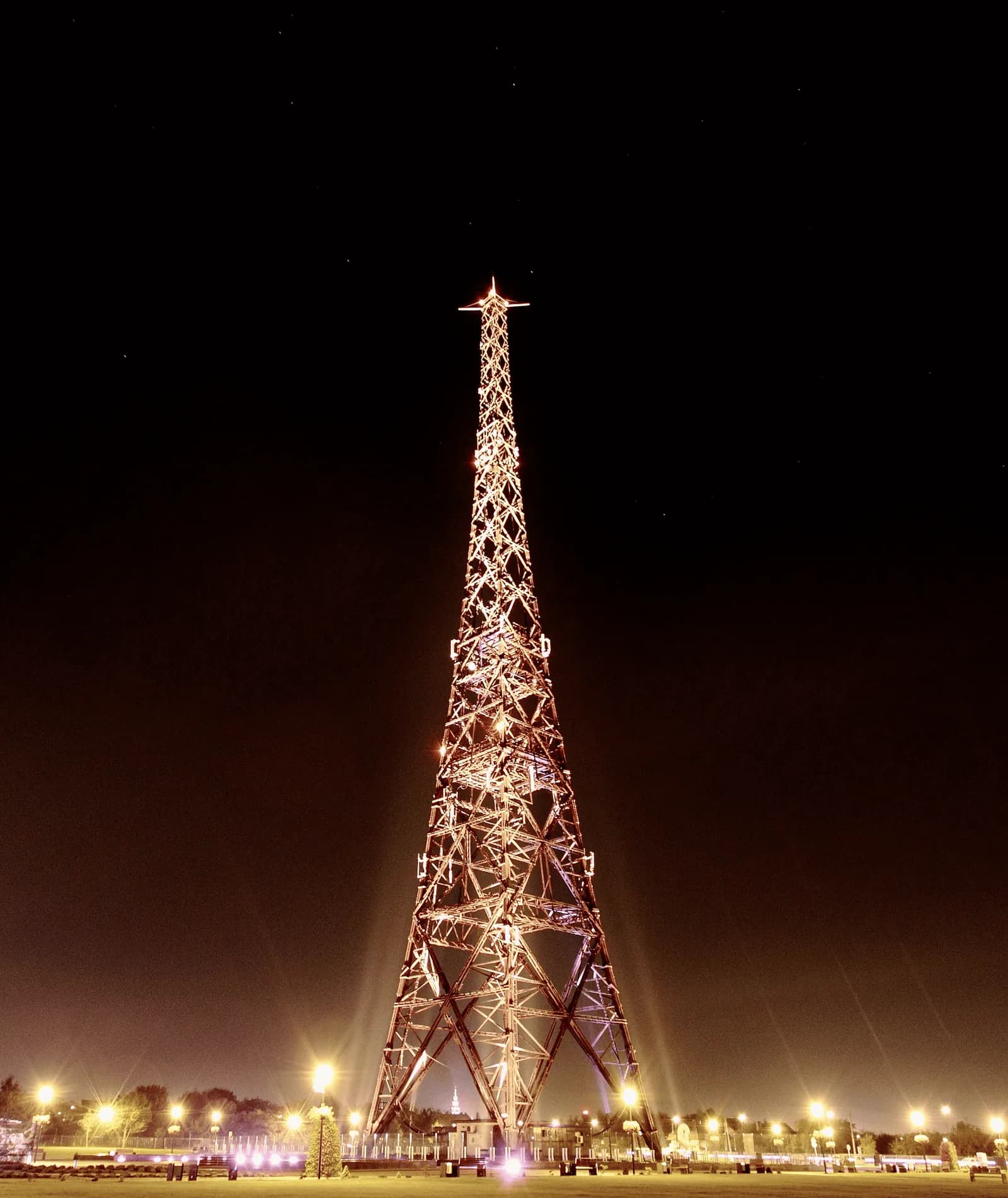
Standing 111 metres high, the tower is the tallest wooden structure in Europe and among the tallest of its kind anywhere in the world. It is an engineering masterpiece, a witness to one of history's most significant turning points and today one of Gliwice's most treasured landmarks.
For residents, it is a familiar feature of the skyline. For visitors, it is one of Upper Silesia's most unexpected attractions.
A Remarkable Feat of Engineering
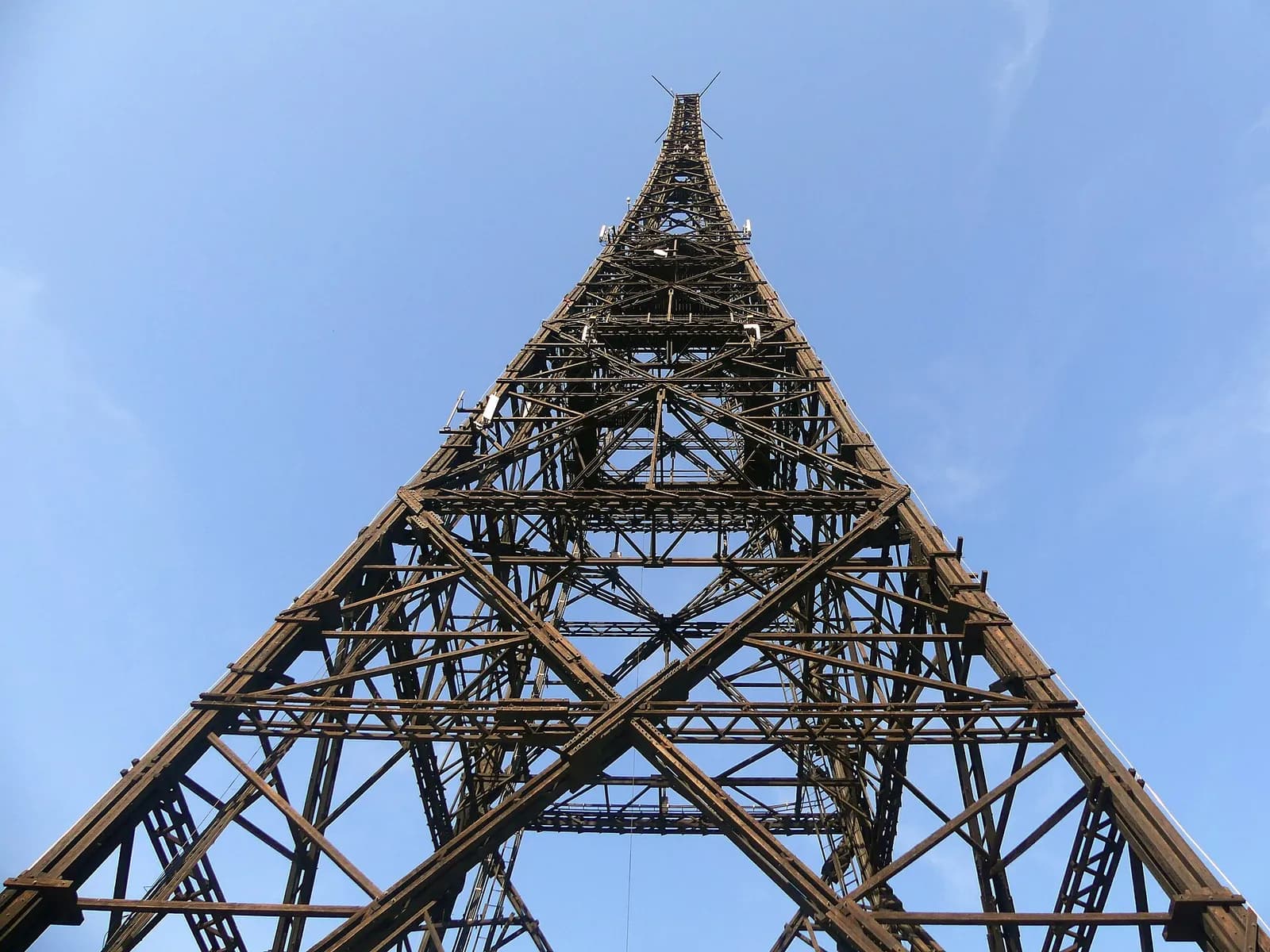
Completed in 1935, the tower was built entirely from impregnated larch timber at a time when most transmission towers were constructed from steel.
Its designers chose wood for a practical reason. Steel could interfere with radio transmissions, so the structure was assembled using around 16,000 brass bolts instead. Nearly a century later, the original tower still stands, making it a remarkable example of engineering ingenuity and craftsmanship.
The lattice tower reaches 111 metres into the sky and originally featured four observation platforms connected by a staircase of 365 steps, one for every day of the year. Even today, it remains one of the most distinctive structures in Poland.
When the station officially began broadcasting on 23 December 1935, its purpose was to strengthen radio coverage across Upper Silesia and neighbouring border regions.
Programmes were transmitted primarily from Breslau, now Wrocław, while local broadcasts were also produced in Gliwice. At the time, the city was known as Gleiwitz and formed part of Germany.
The station represented the cutting edge of broadcasting technology and quickly became an important part of the region's communications network.
The Night That Changed History
The Gliwice Radio Tower is known around the world for events that unfolded on the evening of 31 August 1939.
That night, members of the German SS, disguised as Polish insurgents, staged an attack on the radio station and briefly broadcast an anti-German message in Polish. The operation was deliberately designed to create the false impression that Poland had launched an attack.
The incident formed part of Operation Himmler, a series of fabricated border provocations orchestrated by Nazi Germany. Within hours, Adolf Hitler used these events as justification for invading Poland on 1 September 1939, marking the beginning of the Second World War in Europe.
Today, the tower stands not only as an engineering landmark but also as a powerful reminder of how propaganda was used to manipulate world events.
From Broadcasting to Heritage
Unlike many historic structures across Europe, the Gliwice Radio Tower survived the Second World War without significant damage.
In the decades that followed, it continued serving Poland's broadcasting infrastructure before later being used for radio jamming during the Cold War.
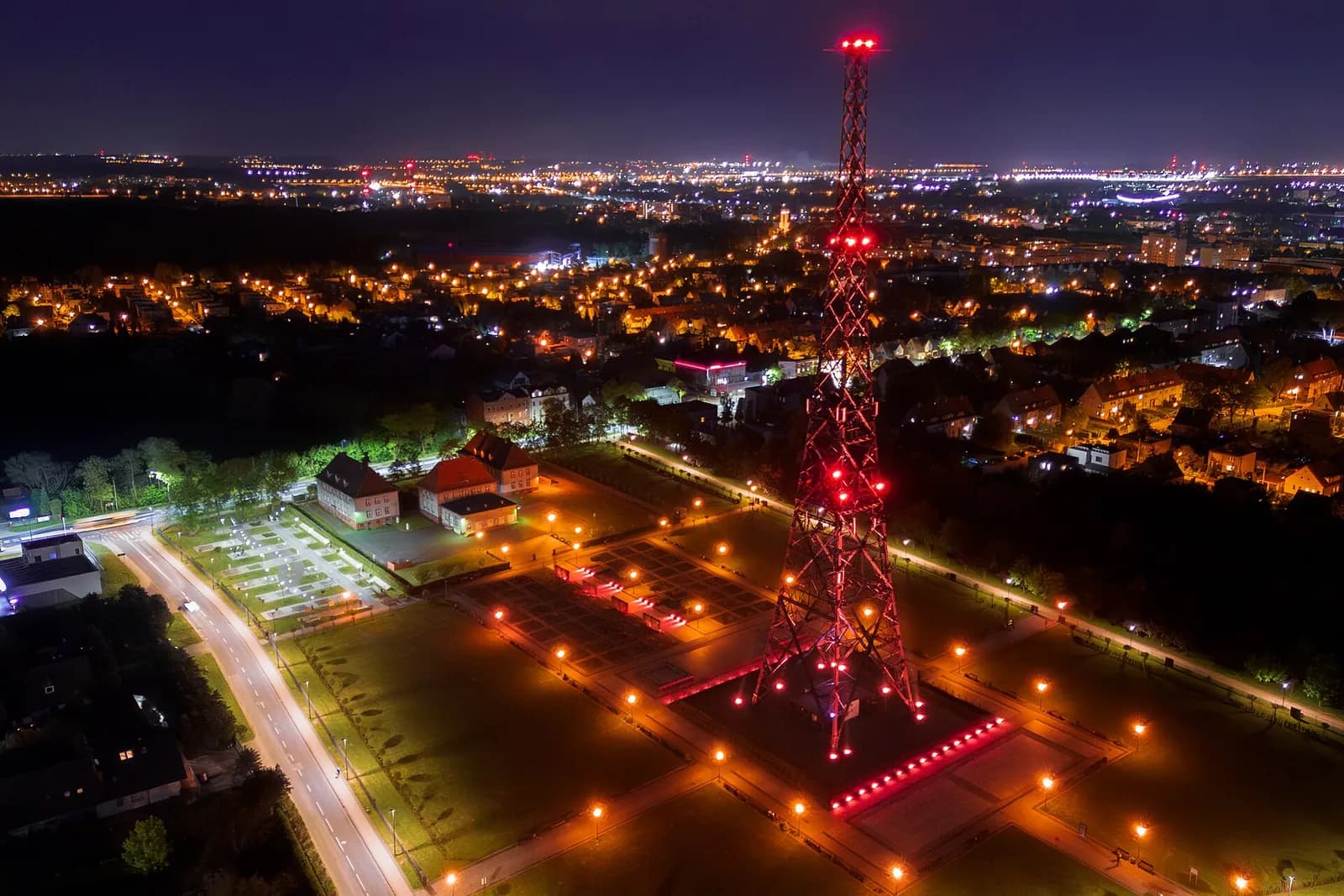
Although its original broadcasting role has long since ended, the tower continues to support modern telecommunications equipment while its historic buildings have found a new purpose as part of the Gliwice Museum.
Visitors can explore exhibitions dedicated to early radio technology, broadcasting history and the events surrounding the Gleiwitz Incident, all set within the original station complex.
A Proud Symbol of Gliwice
In 2017, the Gliwice Radio Tower was recognised as a Historic Monument of Poland, one of the country's highest forms of heritage protection. It also forms part of the Industrial Monuments Route of the Silesian Voivodeship, celebrating the region's rich industrial and technological legacy.
The tower celebrated its 90th anniversary in 2025 and continues to draw visitors from across Poland and beyond, proving that one of Europe's most remarkable landmarks is found not in a capital city, but in the heart of Upper Silesia.
Admired for its pioneering engineering, survival and its place in world history, the Gliwice Radio Tower remains one of Poland's most fascinating and important monuments.
image credit: Piotr Borowiak, CC BY-SA 4.0 / Zalasem1, CC BY 4.0 / Przemasban, CC BY-SA 3.0 pl