Gliwice, at the heart of Śląskie, is a place where history leaves visible footprints on every corner. Each street, landmark and occupied building is a reminder of how the city has grown from its medieval roots, through Silesian industrialisation, to the present day. For residents and visitors alike, the built landscape is an open book, inviting curiosity about the people and events it has witnessed.
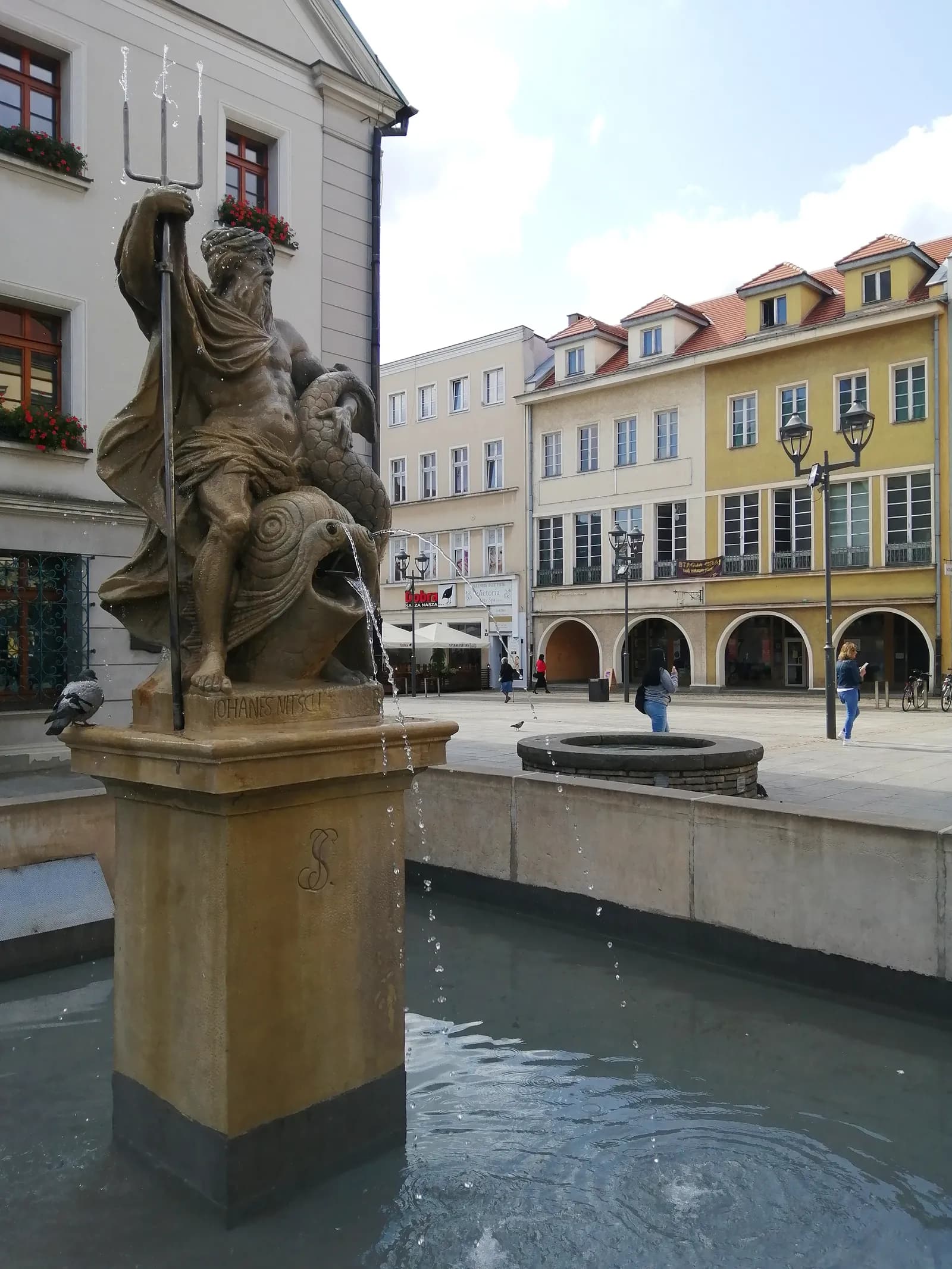
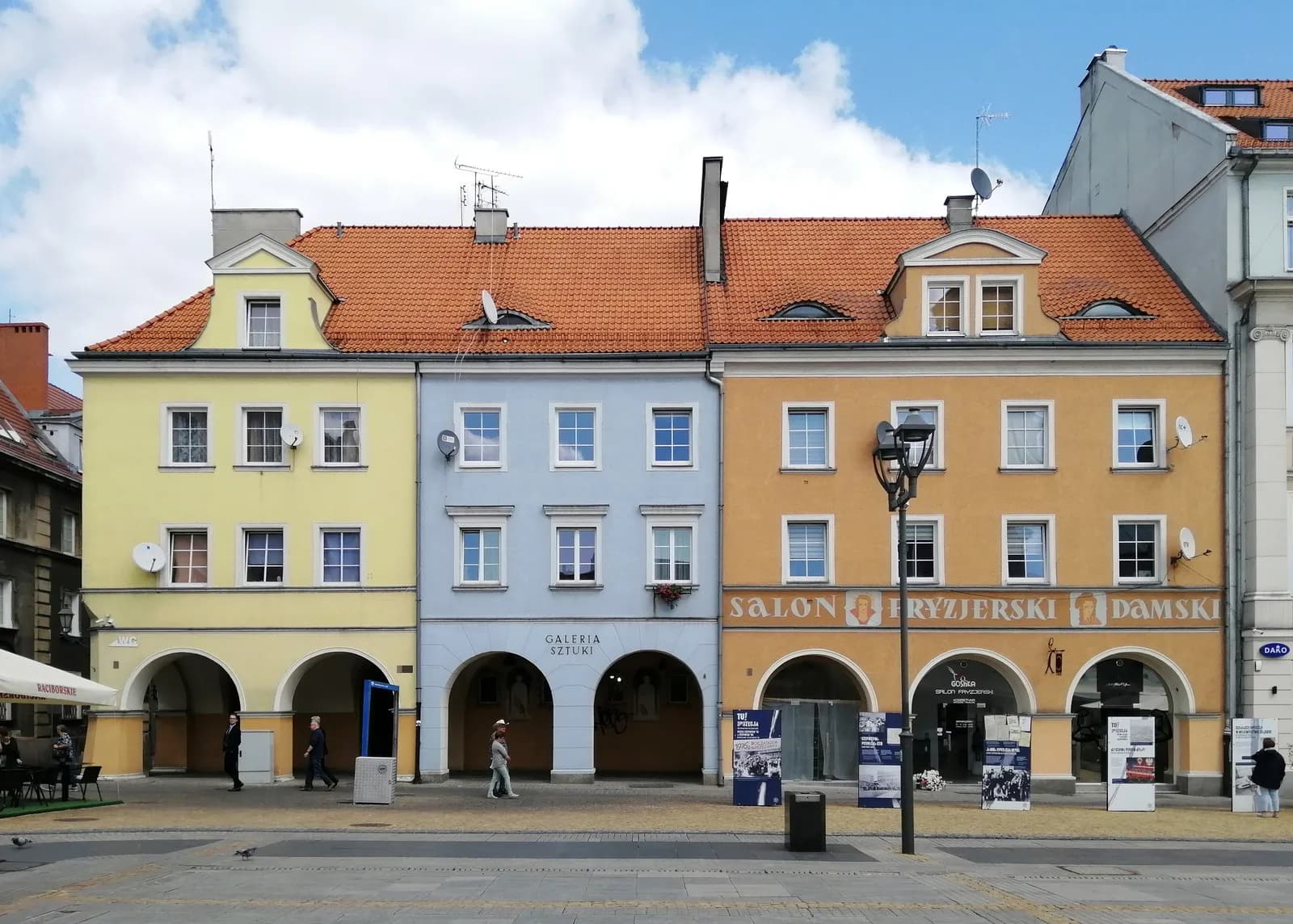
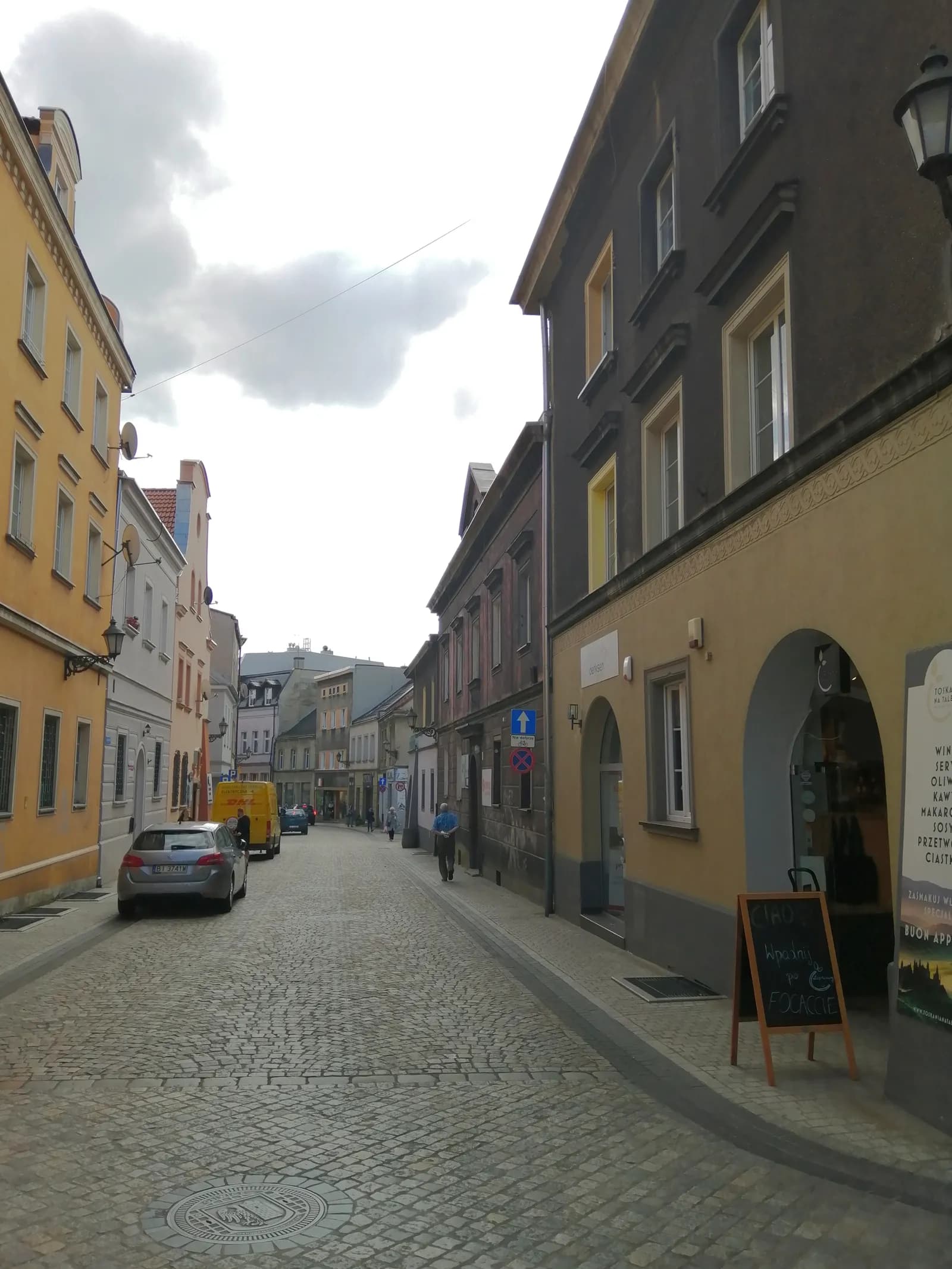
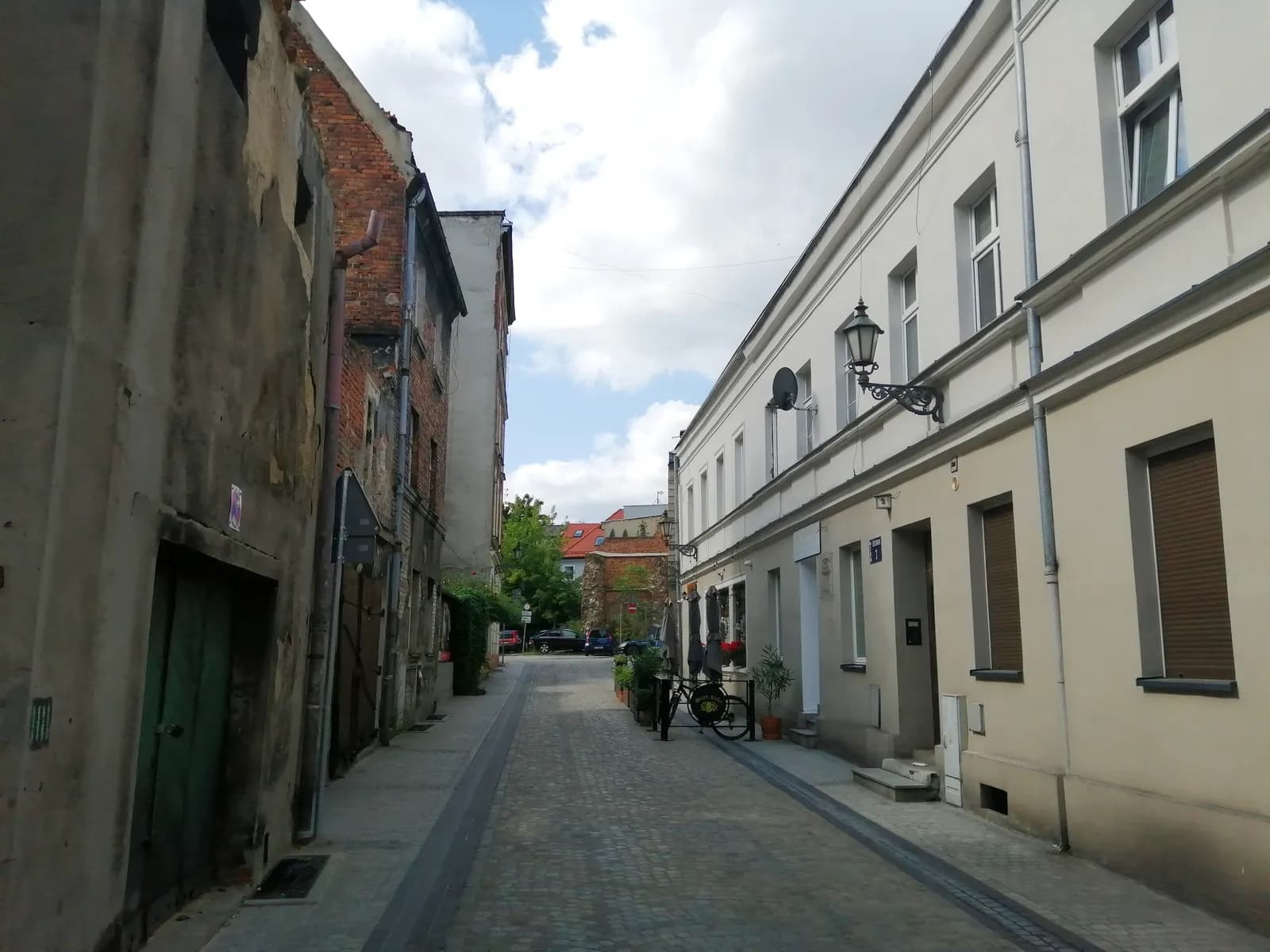
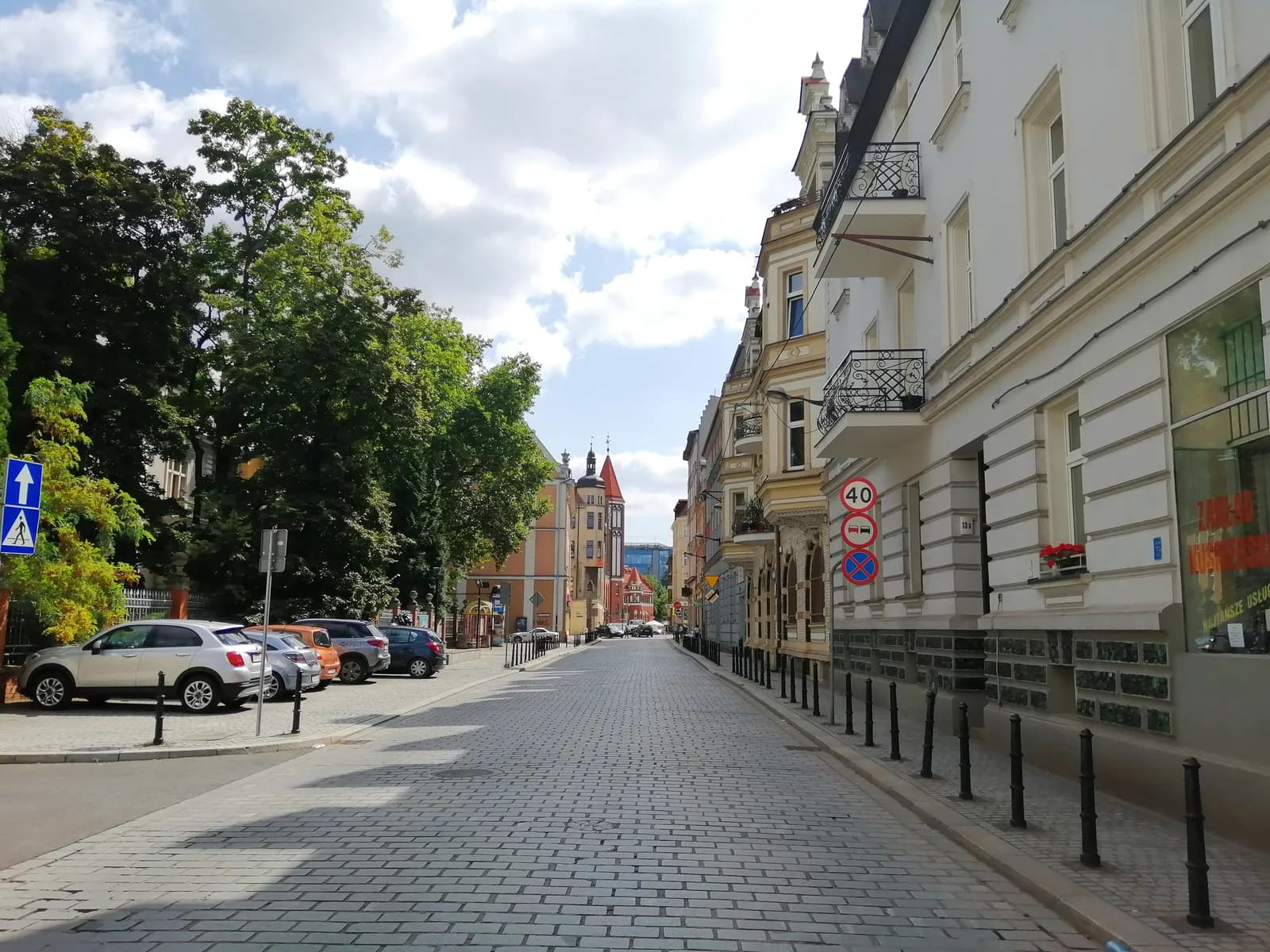
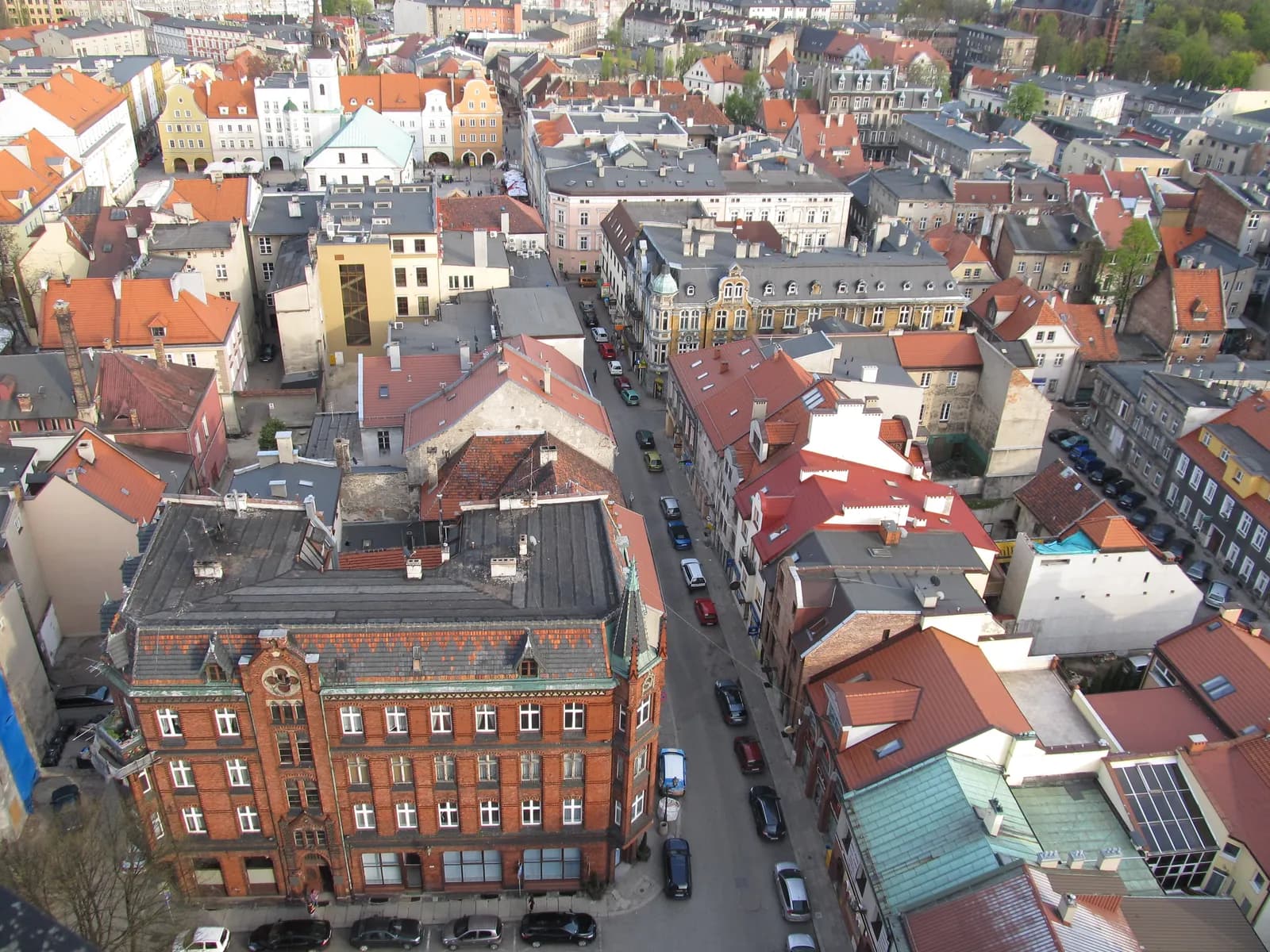
The Old Town tells the earliest part of Gliwice’s story. Unlike many European cities, its street layout has survived since the 13th century. This helps the district retain its sense of intimacy and continuity. Walking along these lanes, especially towards the Market Square (Rynek), the medieval plan is still apparent in the city’s layout. The Rynek remains the lively heart of local life, framed by the Town Hall and handsome townhouses that serve as both homes and businesses. Here, everyday activity takes place against the same facades that would have been familiar to residents centuries ago.
Some of the oldest landmarks include the Piast Castle, the city’s remaining section of medieval walls, and All Saints Church. These buildings offer physical links to Gliwice’s late medieval period. The castle, in particular, has quietly tracked the passage of time alongside the changing needs of its community, while the church’s spire is a familiar sight for generations of locals.
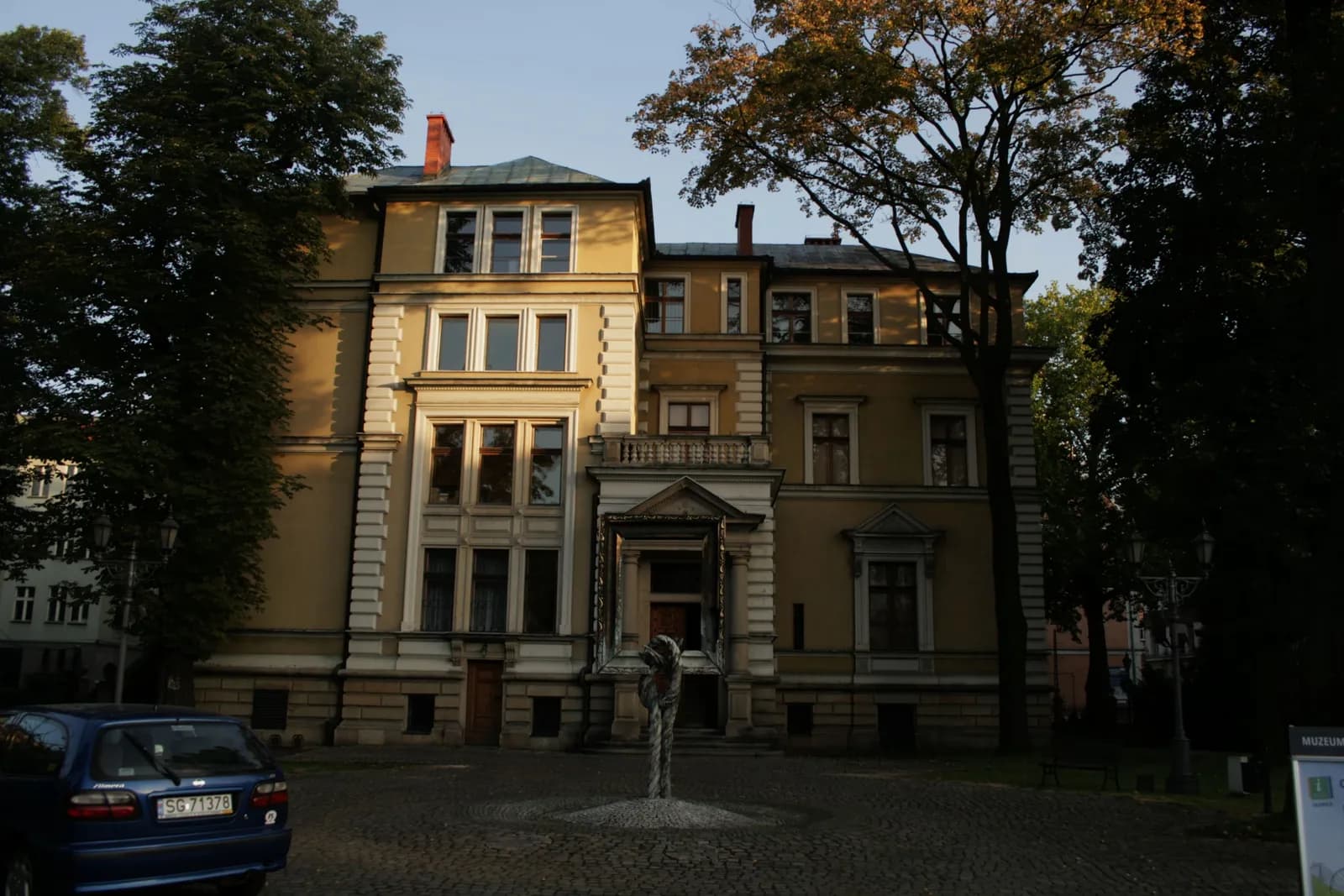
Moving forward in time, Gliwice’s industrial age is written large across its architecture. Residences like Villa Caro and commercial buildings such as the Weichmann Textile House highlight the wealth and dynamism the city experienced. These elegant constructions once housed industrialists and traders whose work shaped not just the local economy, but also the city’s social fabric. Even today, these structures continue to serve, adapted for new uses, and enriching the townscape.
One of Gliwice’s most striking and symbolic landmarks is the Radio Tower. Built with timber and recognised for its monumental size, it stands not only as an engineering achievement but also as a complex historical symbol, associated with the 1939 "Gleiwitz incident". The tower is now a museum branch, giving residents a place to reflect on the events that have defined the region’s place in modern European history.
What truly sets Gliwice apart within Śląskie is how these layers sit side by side. Mining sites, rail tracks and industrial quarters lie close to centuries-old religious and civic buildings. This blend illustrates how different eras left their mark, and yet the core character of Gliwice remains legible to those who care to look. For locals, these buildings are not distant or untouchable monuments. They are part of daily routines, familiar meeting points and quiet reminders of the city’s evolving story.
In Gliwice, the past is never far away. Whether gathered under the clock on the Market Square, passing the gates of Piast Castle, or catching sight of the slender outline of the Radio Tower, residents share a city where history is woven into everyday life. It is in these very buildings that Gliwice’s distinct identity endures, giving shape to both memory and future possibility.